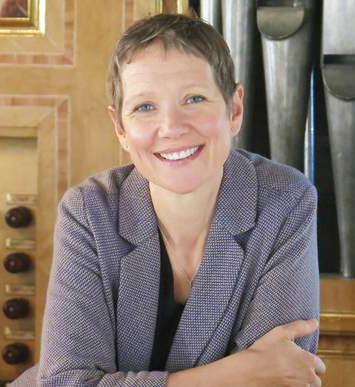
Winter In Schwetzingen 2012. Rhein-Neckar-Zeitung, Matthias Roth, 16.1.2012

'Mad Songs' arias by Henry Purcell and Handel's Lucretia cantata Deborah York - soprano Jeremy Joseph - harpsichord Dmitri Dichtiar - cello

»Her voice is not big or overpowering on first hearing, but rather fine, differentiated in expression, clean and perfectly attuned to her accompanying musicians: coloratura soprano Deborah York is one of the best baroque singers around today. For her solo recital at Heidelberg Theatre's „Winter in Schwetzingen“ season she sang 'Mad Songs' by Purcell und Handel. Those who maybe took a while to accustom themselves to the simplicity, elegance and clarity of her voice were well and truly under the spell of this extremely flexible and expressive singer by the Handel cantata „O numi eterni“ (HWV 145) and the two encores (Handel's `Lascia ch’io pianga` from „Rinaldo“ and 'I'll sail upon the dog star by Purcell). In the Purcell set, the Minidrama „From Rosy Bow’rs“(1695), composed during the final year of his life, stood out. Deborah York performed this highly charged, emotional music which bursts all boundaries of form and feeling, with burning intensity and the richly nuanced colours it deserved. One didn't need stage scenery here in order to comprehend vividly the drama taking place. Equally brilliant was her Handel cantata 'La Lucretia - „O numi eterni“. The soprano Deborah York knew exactly how characterise her voice to greatest effect in order to convey the drama of each scene through sound - her use of ornaments, the conscious use of a pulsating vibrato, the pale, weak sound of approaching suicide, all applied with an unerring sense of style and timing. Her fellow musicians played an important role: the South African Jeremy Joseph is a gifted harpsichord player, a dervish on the keyboard. Impeccably educated in performance practise (Copenhagen and Lübeck) he seems to have been influenced by the dutch school of Bob van Asperen, using glittering arpeggios to create a finely integrated counterpoint to the melody line. A fine lesson in the art of harpsichord playing, as also demonstrated in the solo piece by Tomkins. The solo cello sonata by Marcello proved Dmitri Dichtiar (Moskau/Karlsruhe) equally historically informed and musically virtuoso. Rhein-Neckar-Zeitung, Matthias Roth, 16.1.2012 «

Carnegie Hall, New York

New York Times review 'Embracing Handel’s Leaping Arias and Duets' Allan Kozinn Nov 16, 2011

»The evening was mostly devoted to arias and duets from “Rinaldo,” “Tolomeo,” “Giulio Cesare” and “Rodelinda,” in which Mr. Taylor split the spotlight with the soprano Deborah York. They were well matched. In the ebullient “Scherzano sul tuo volto” (“I look in your beloved eyes”) from “Rinaldo,” Ms. York’s bright, tightly focused timbre perfectly complemented Mr. Taylor’s velvety tone, and when Ms. York darkened her sound in the mournful duet “Io t’abbraccio” (“I embrace you”) from “Rodelinda,” the blend was just about perfect. On her own, Ms. York was at her best in “Bel piacere” (“It is a great pleasure”) and “Lascia ch’io pianga” (“Let me weep”), both also from “Rinaldo.” In “Bel piacere,” Handel demands an athletic series of barely prepared leaps, which Ms. York handled so gracefully that she made her ornamentation of the top notes sound natural and comfortable if not necessarily easy. In “Lascia ch’io pianga,” one of several tragic arias that gave the program its emotional richness, she sang with a wrenching dynamic suppleness.«

Weill Recital Hall at Carnegie Hall, New York, 15.11.2011 (SSM)

Daniel Taylor and Deborah York Perform Handel to Perfection

» 'Tu la mia stella sei” followed, a difficult aria that York tossed off with ease, reaching up to the highest vocal register without undue strain or thinning out. .......This led into a wonderful and difficult aria, “Se pieta di me non senti” from Giulio Cesare. Built on a chromatically descending triplet played repeatedly through the entire piece, with Ms. York’s impassioned voice doubled or echoed by the strings, this was certainly the most moving aria in the concert, and the considerable applause that followed was appropriately long.' Stan Metzger «

Carnegie Hall: Weill Recital Hall, New York City

Handel, Arias and duets from Giulio Cesare, Rodelinda, Rinaldo and Tolomeo The Theatre of Early Music Deborah York, Soprano Daniel Taylor, Countertenor

»Deborah York’s most stunning aria, perhaps, was Cleopatra’s “Tu la mia stella sei” from Giulio Cesare. Her da capo ornaments, more so than in her other arias, were subtly chosen and highlighted her vocal agility. The gorgeous and expansive “Se pietá”, another aria for Cleopatra in Giulio Cesare received thunderous applause from the audience. During the fermata at the first presentation of the A section, one audience member exclaimed “It’s a beautiful aria!” «